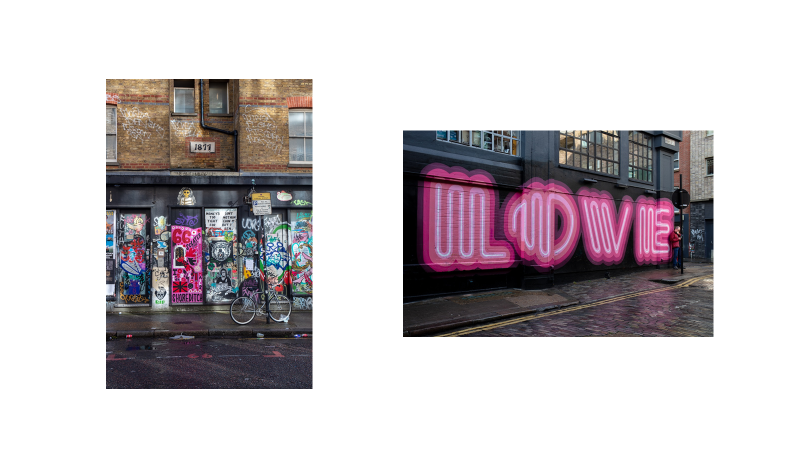
I visited Shoreditch again at the beginning of October and went back to Old Street where I had taken an earlier photograph in June of street artist, Ben Eine’s artwork, Last Days of Shoreditch being demolished. The artwork was already a statement about the rapid gentrification occurring in Shoreditch and for me the photo was a deeply poignant reminder that this community is changing and is losing it’s original character. The images below are a selection taken as I walked around the area again and observed signs of change everywhere I looked. It saddens me as it is an area I have grown to love and know quite well.
Tag: urban environment


Creative Collaboration
Two photographers with different styles and working in different genres, living in two different cities in the UK paired up to create this project. The connection happened through posting of two quotes that immediately revealed a similar vision or outlook on life.
Photographer 1 – Dean Belcher
Quote: “Life is just a bowl of All-Bran. You wake up every morning and it’s there. So live as only you can. It’s all about enjoy it ‘cause ever since you saw it there ain’t no one can take it away.” – Lyrics from Happy Days Toytown, by the Small Faces.
Photographer2 – Juanita McKenzie
Quote: “To me, photography is an art of observation. It’s about finding something interesting in an ordinary place…I’ve found it has little to do with the things you see and everything to do with the way you see them.” – Elliott Erwitt
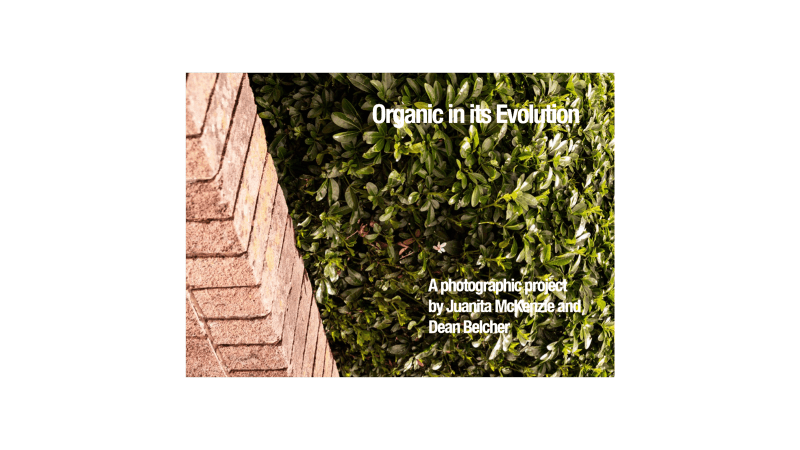

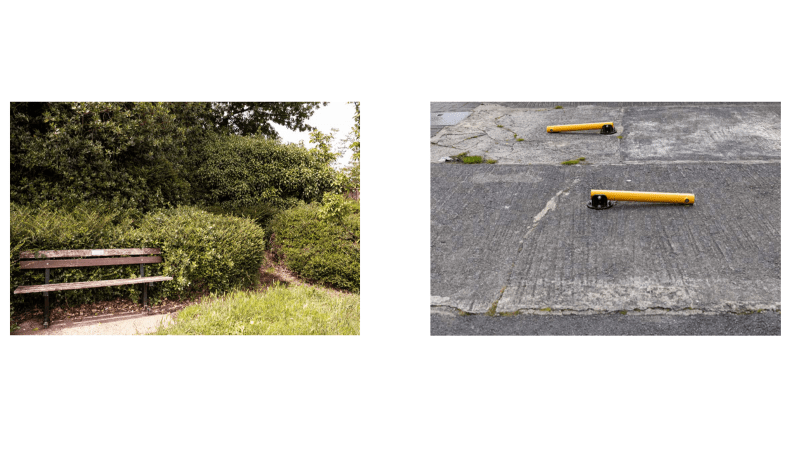
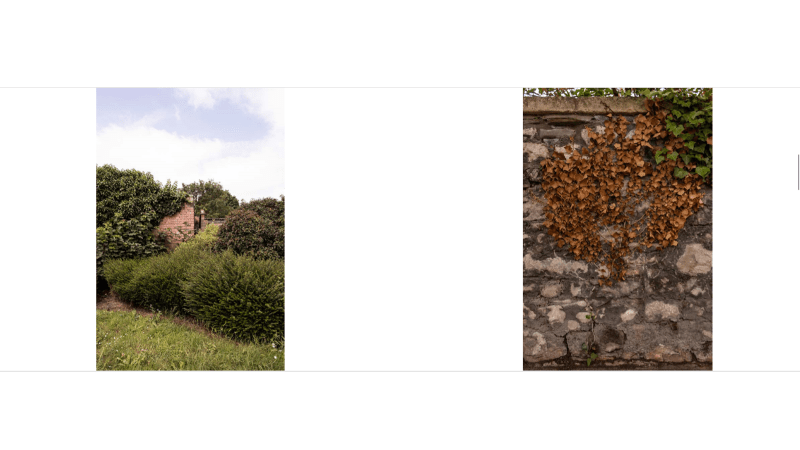


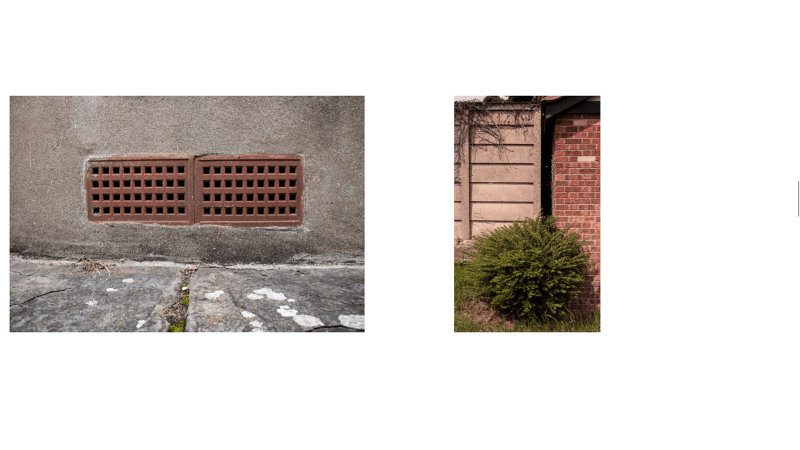
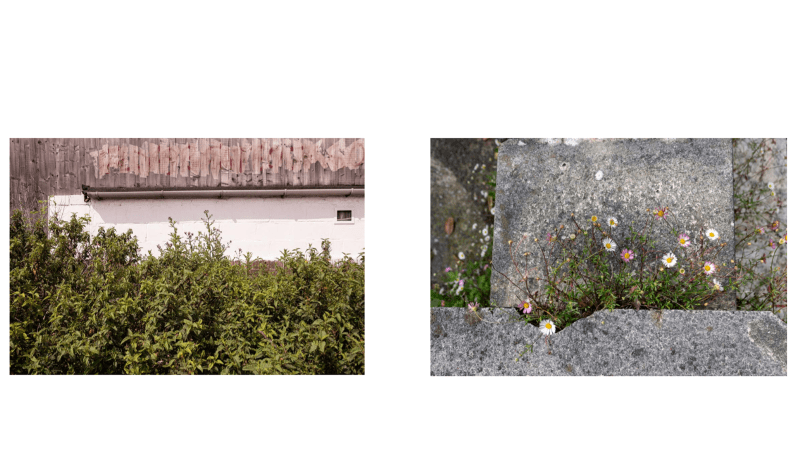
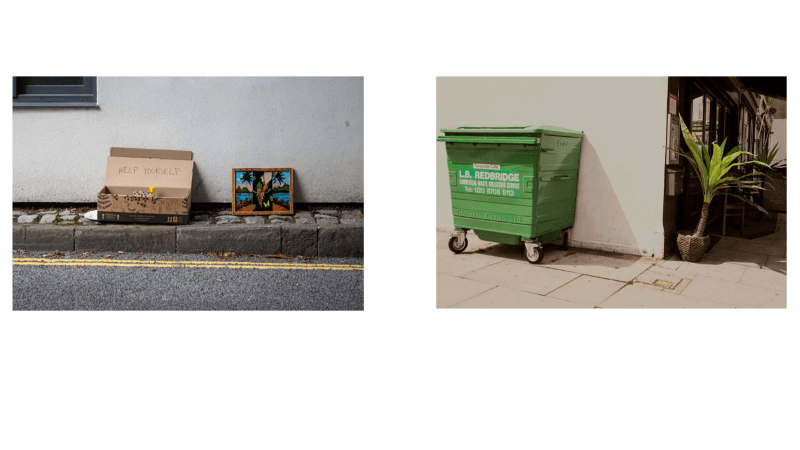


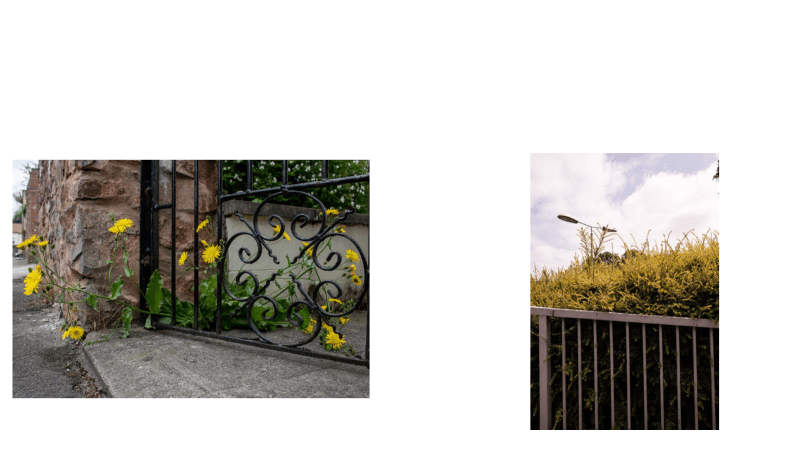
Organic in its Evolution is a project named after the process of collaboration as it unfolded but also describes the essence of our urban environments and their relationship to nature. It reflects our human responses to this constant dance of cycles between the apparent opposites and it speaks of our human desires to have spaces of our own and mark them in some way to defy the transience and isolation of modern and urban life.
Note: Journal reflection on this project can be read here.
Journal Reflection – Positions and Practice,Week 2
Having explored the concept this week of photography as an interdisciplinary field, I’ve spent some time reflecting on whether my current photographic practice is interdisciplinary and how I could expand further on this.
I am already focusing on aspects of documentary photography which may have its roots in early interests in journalism and film. Social and cultural commentary are present in my work already and this draws upon earlier studies in psychology. Within my current practice I explore urban art as an integral part of the urban landscape and the social commentary it provides.
I would like to expand my practice by learning more about Fine Art photography and how this can be combined with street and documentary photography to create something more contemporary. I would like to explore surrealism, Bauhaus and expressionism as art movements that could inform, develop and deepen my photographic practice.
My interest in the urban landscape is closely linked to the architecture of places as well as the historical, cultural and geographical elements within these landscapes. Studies and research across all these areas would be extremely useful for contextual research and project development.

© László Moholy-Nagy
Thinking Away From Photography
The coursework this week set a task of finding a piece of work that was not a photograph but which linked in some way to our own practice or research interests. I actually found this to be quite a difficult task, not because of thinking away from photography, but rather because of the amount it revealed. I realised that there are a number of influences in my photography and in my life, some of which go quite far back. These influences range across music, films, art, documentaries and many different genres but through exploring these in the context of this discussion, I realised there is a common thread.
From Blake to Banksy….poetry to graffiti….what is the connection? For me it began a long time ago with William Blake’s ‘Songs of Innocence and Experience’, a collection of poems that show two very different states of the human experience and reflect upon the inequality inherent in the industrial society of that time. Banksy on the other hand, is one of the most controversial and well known street artists of our times. His work is often political and satirical, critical of authority, inequality and the human suffering that results. This is the theme that I have found in common across the many different artists or genres that influence my own practice or research interests.
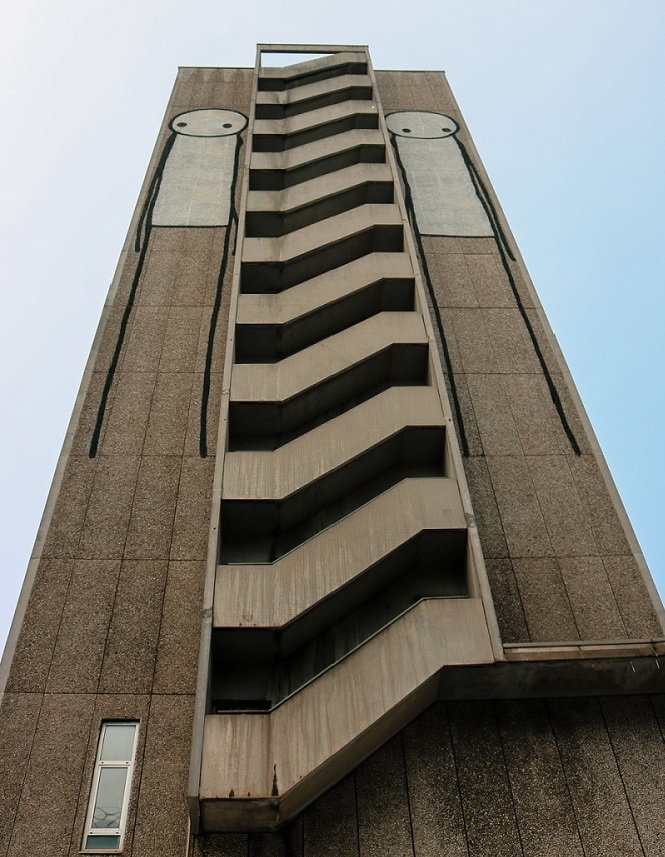
Looking at my current work, street art is one of my research projects and one of my favourite street artists is British street artist, Stik. His work has definitely inspired me to photograph the streets, the street art that appears there, the people that live in these areas, the urban environment and the relationship people have with it, as well as to capture the character of places before they are gone. In a way I feel that photography is a means of documenting the rapid changes happening in our cities and communities, but also preserving something of them before they are gone.
©Juanita McKenzie
Stik uses simple stick figures to convey meaning through simplicity – the subtle bend in an arm, or position of the dot for an eye, can convey so much expression and emotion. He makes use of colour, line and environment to create artworks that represent the community and reflect the vulnerability of the human being while also giving hope. His artwork has not only inspired me but has also been a source of tremendous comfort and joy to me at various times in the past few years. (This is discussed in my oral presentation which can be found here).
I feel a connection to Stik’s artwork because in my own practice, I also try to capture similar themes in my photography – the vulnerability of people in the harsh environment of the city, the inequality and contrasts that are so much a part of urban life (really a microcosm of the global inequality), but also the tremendous courage, community and spirit that arises from this.
I hope to capture the vulnerability but also the fragile beauty in the cities, the dialogue between the opposites, the dance between old and new, the tension and friction, and the constant process of metamorphosis.
The clip below is by Stik and discusses some aspects of his work and community:
Visit Stik’s website for further information about his work: http://stik.org/
 Journey Through the Lens