Photography and the Fine Art Market

This week we discussed the Fine Art market and how it has only been relatively recently that photography came to be seen as art. Unfortunately, it still sells at only a fraction of the price of other art, such as paintings. Although I don’t necessarily agree with this difference in pricing, it is likely because photographs can be reprinted and large editions of a print can be sold.

Fine art is a relatively small market as it is, and there are not many galleries that show photography. If they do, galleries will choose to represent only a small number of artists, making it a very limited market to break into. Nonetheless, there is a potential market out there, it is just about reaching it and getting the initial recognition.

We discussed that there are two types of fine art market:

  • Primary market – artwork is sold through a gallery or sold for the first time by the photographer.
  • Secondary market – the artwork is sold again or sold through an auction.

Our module leader, Anna, emphasised that networking is very significant in breaking into the market as it is often through introductions that work becomes visible. She suggested that in order to get our work and portfolios seen it would be a good idea to enter prestigious competitions, get portfolio reviews done, speak to producers and photo-editors at fairs, and try to get work into good magazines and group fairs.
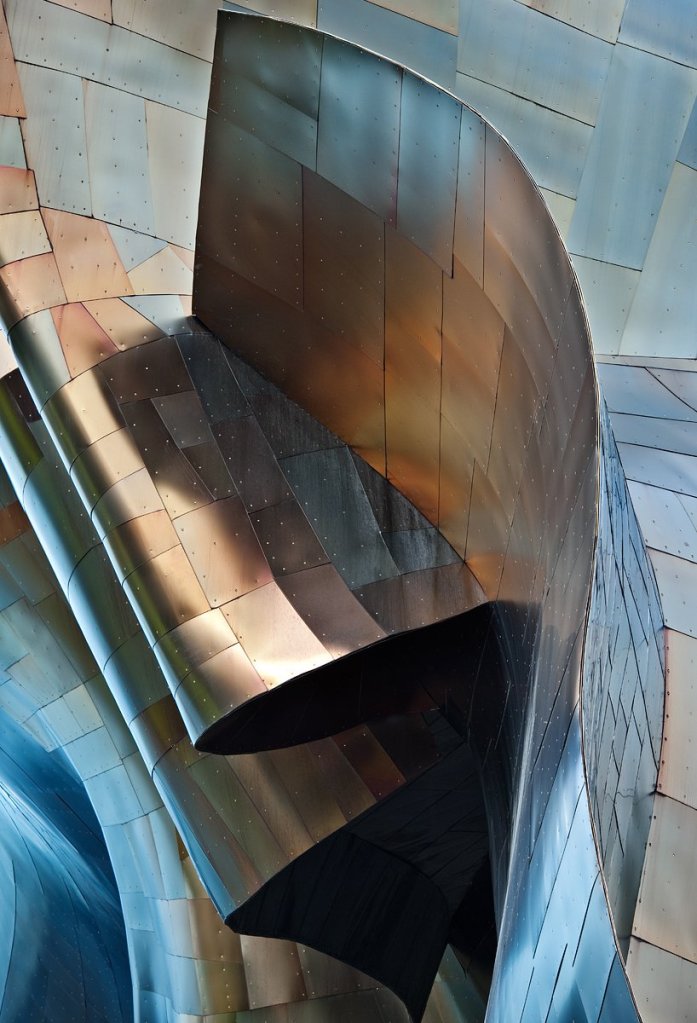
Gehry’s Children #5 © Andrew Prokos
Fine Art Architectural Photo Series
F22 Workshop

This week I attended the F22 – Survival Skills for Freelance Creatives Workshop in London as I was fortunate enough to be there at the time. I had seen the workshop advertised by the AOP and thought it would be invaluable for me as somebody who is planning to enter this market, and also felt it matched very well with this term’s coursework. The workshop was presented by Sheryl Garratt, previously the editor of The Face and The Observer magazine, and now a life coach working with freelancers and creative people.

In her workshop, Sheryl discussed the changing photographic market and the difficulties facing freelancers in the industry. She spoke of the constant pace of change and the lack of security in an industry that is in flux, as well as the impact of social media and the way in which ‘content creation’ threatens the photographic industry. This was confirmed by other people attending the workshop who have personally experienced this impact on their photographic careers.

One lady I spoke to was actually attending the workshop because she had previously worked as a freelance photojournalist but was no longer able to earn a living from this work due to the rise in citizen journalism and the use of image submissions from the public. She mentioned that both full-time and freelance jobs in this industry had been significantly reduced across the last decade or more. She was attending the workshop as she is hoping to take a new direction and break into the commercial photography market. It was very informative to hear from other photographers and people in the industry just how they were approaching their freelance work and where they felt the most impact.

Sheryl presented her workshop around ten core foundations that would assist in being successful in growing a business and doing the creative work that we love to do. Based on these principles I identified the following important steps I can take in developing my own freelance path:

  1. Get very clear on my creative vision, my reasons for doing what I do and what I hope to achieve.
  2. Create some great short descriptions of what I do and why I do it. Sheryl advises that we need to find ways of talking about what we do that makes it sound exciting.
  3. Marketing must become part of my daily routine as this is how I will get work.
  4. Do less and focus more on what matters. I would do well to simplify, streamline and focus my work in order to be more productive.
  5. I need to build up an effective working routine that suits my needs and this will increase my productivity.
  6. I should start a savings fund as this is what will give me the creative freedom to explore personal projects and have greater autonomy.
  7. It is essential for me to create a portfolio career, as multiple income streams are the only way to succeed as a freelancer nowadays. I will do some thinking about ways to do this and can also refer to our current coursework for ideas about other careers in the industry.
  8. Networking is extremely important, as is building peer support.
  9. Always invest in what I need to support my continued personal and business growth.
  10. Be realistic and manage my time and energy as this is my most important resource.

The workshop was a great experience as the content was excellent and I learned a number of important tips about how to find clients, how to manage my business and how to maintain a healthy balance between earning a living and doing what I love. It was also invaluable to meet other professionals in the industry, both to learn from them and to network among peers. For further information about Sheryl’s informative and insightful workshops and coaching, please visit her website.

Photography as a profession ©Juanita McKenzie

Who Buys Photography?

The coursework is now focused on an in-depth exploration of the market for selling photography, with a focus on identifying who the potential buyers are, understanding how to sell photography and how to price work for different markets. We explored practical aspects of pricing, writing estimates, production and invoices, as well as terms and conditions.

Our module leader, Anna, presented two live workshops to discuss the various markets and how to break into them. The discussions were intensive and sparked a number of questions, so Anna has agreed to follow up with further workshops on this subject.

We initially discussed the differences between editorial and advertising markets, summing up that the main difference are in the process, result and target audience. Advertising usually has a very specific brief and is about promoting a brand or product, whereas editorial photography is more open to a pitch and is about telling a story or illustrating something. Fashion photography falls into the category of editorial photography and is an example of visual story telling with no text involved. We also looked at how there is some crossover with fine art and fashion photography.

We further discussed the usage of images and discussed licencing as opposed commissions. The conclusion I came to was that licensing is by far the quickest and easiest option for commercial work. Being able to calculate the costs of licensing is an important part of calculating rates for work and a great resource to refer to is the AOP website which has guidance around this and on writing up terms and conditions, all of which are essential as a professional in the industry.

The fine art photography market is predominantly based in Paris and New York and centered around some of the important galleries, and annual fairs and exhibitions, such as the Paris Photo Fair. It is a very difficult market to break into and only a limited number of artists are successful in selling in the fine art industry.

A photographer who has been very successful in establishing a career in both the fashion and fine art world, is Dutch photographer Viviane Sassen. She has done a number of installations, exhibitions and books, and has received numerous rewards. She has developed a distinct visual language and strong personal brand which is one of the reasons she has been so successful. She is an artist whose work I was not familiar with previously but who I will research further as I believe there is a lot I can learn from her photographic practice and apply to my particular genre of photography.

Heine #01 from UMBRA, 2013 ©Viviane Sassen
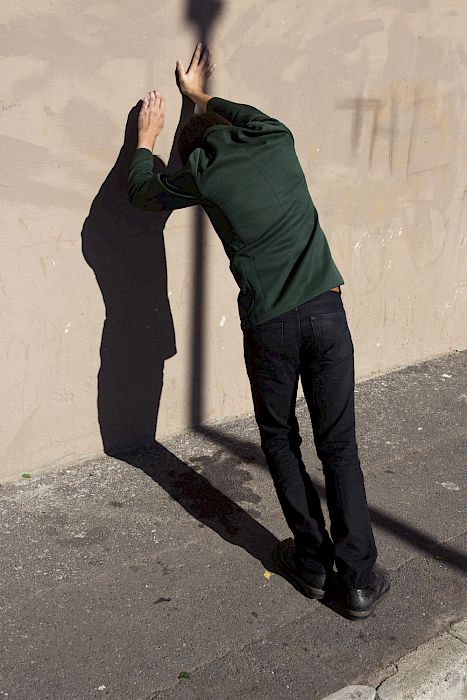
Heine #02 from UMBRA, 2013 ©Viviane Sassen